Buy passion-for-excellence.com ?
We are moving the project
passion-for-excellence.com .
Are you interested in purchasing the domain
passion-for-excellence.com ?
domain@kv-gmbh.de · 0541-91531010
Buy passion-for-excellence.com ?
What are microorganisms?
Microorganisms are tiny living organisms that are too small to be seen with the naked eye. They include bacteria, viruses, fungi, and protists. Microorganisms can be found in almost every environment on Earth, including soil, water, and the human body. While some microorganisms can cause disease, many are beneficial and play important roles in processes such as decomposition, nutrient cycling, and food production. **
How do microorganisms reproduce?
Microorganisms reproduce through a process called binary fission, where a single cell divides into two identical daughter cells. This process allows microorganisms to rapidly increase in number. Some microorganisms, like bacteria, can also reproduce through conjugation, where genetic material is exchanged between two cells. Overall, microorganisms have various methods of reproduction that allow them to adapt and thrive in different environments. **
Similar search terms for - Microorganisms
Top-Angebote
Products related to - Microorganisms:
-
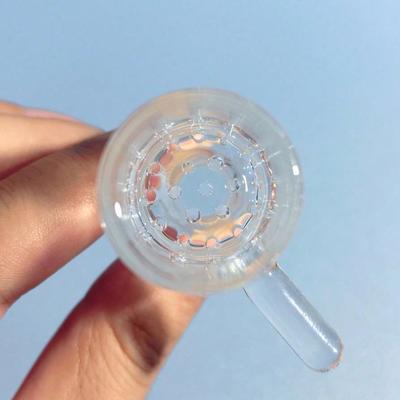
Retailers Go Honeycomb Glass Bowl, Transparent, Handmade, Unique Craftsmanship, Perfect For Your Smoking Collection Honeycomb Glass Bowl, Transparent, Handmade, Unique Craftsmanship, Perfect For Your Smoking CollectionIntroducing the 14mm(0.5512 inches)approx Transparent Handmade Glass Bowl, a beautifully crafted piece that combines stunning aesthetics with unmatched functionality. Perfect for any smoking enthusiast, this unique honeycomb glass bowl is designed...66,97 $*Shipping: 0,00 $Secure redirect to the provider
-
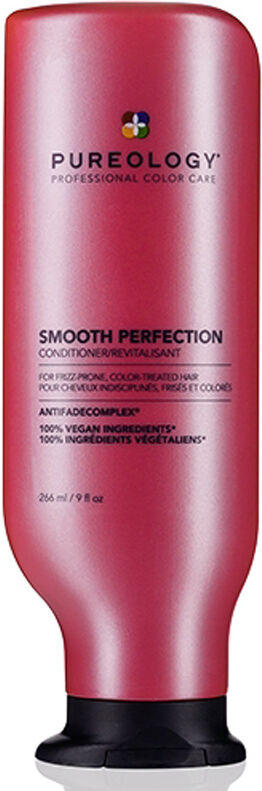
Pureology Smooth Perfection Conditioner 266mlTame frizz and restore hair manageability with the incredible Smooth Perfection Conditioner. Specially formulated, this vegan Pureology hair-care hero powerfully nourishes and hydrates every strand for beautifully soft results. Ideal for frizz-prone colour-treated hair. Ingredients Aqua / Water / Eaucetearyl Alcoholglycerinbehentrimonium Chloridecetyl Estersisopropyl Myristatequaternium-80propylene Glycolparfum / Fragrancepolysorbate 20isopropyl Alcoholphenoxyethanolpolyquaternium-37propylene Glycol Dicaprylate/Dicapratetocopherolsesamum Indicum Seed Oil / Sesame Seed Oilbutyrospermum Parkii Butter / Shea Buttercamellia Oleifera Seed Oilbutylene Glycoldilauryl Thiodipropionatehelianthus Annuus Seed Extract / Sunflower Seed Extractppg-1 Trideceth-6hydrolyzed Vegetable Protein Pg-Propyl Silanetriolcitric Acid Pelargonium Graveolens Flower Oilascorbic Acidbenzophenone-4sorbitan Oleatepotassium Sorbate.24,40 £*Shipping: 0,00 £Secure redirect to the provider
-
Sagebrook Home Hennie Black & White Glass Vase CraftsmanshipElevate your space with the essence of elegance through Sagebrook Home's exquisite glass vase. Expertly crafted from the finest materials, this delicate piece is a testament to timeless beauty, poised to enhance any bouquet.79,99 $*Shipping: 0,00 $Secure redirect to the provider


-
Can microorganisms pass through materials?
Yes, microorganisms can pass through materials depending on their size and the porosity of the material. Some microorganisms are small enough to pass through tiny openings in materials like fabrics, filters, or even some types of plastics. This is why it is important to use materials that are specifically designed to block the passage of microorganisms in certain applications, such as in medical settings or food processing. **
-
Why do microorganisms spoil food?
Microorganisms spoil food because they use the nutrients in the food as a source of energy and growth. Bacteria, molds, and yeasts are the main culprits of food spoilage, and they thrive in the right conditions of moisture, warmth, and pH levels. As they grow and reproduce, they produce enzymes and waste products that break down the food's proteins, fats, and carbohydrates, leading to changes in texture, color, flavor, and odor. This ultimately makes the food unpalatable and unsafe to eat. **
-
Do microorganisms die in acid?
Yes, many microorganisms can die in acidic conditions. Acidic environments can disrupt the cell membranes and denature the proteins of microorganisms, leading to their death. However, some microorganisms, suchjson as acidophilic bacteria, are able to survive and even thrive in acidic conditions. These acidophilic microorganisms have evolved mechanisms to maintain their internal pH and protect their cellular structures from the damaging effects of acidity. **
-
What are the smallest microorganisms?
The smallest microorganisms are bacteria and archaea. These single-celled organisms are so tiny that they can only be seen under a microscope. Some bacteria and archaea are as small as 0.2 micrometers in diameter, making them the smallest known living organisms. Despite their small size, bacteria and archaea play crucial roles in various ecosystems and are essential for many biochemical processes. **


What do microorganisms need to reproduce?
Microorganisms need a suitable environment with the right temperature, pH level, and nutrients to reproduce. They also require moisture and oxygen to carry out their metabolic processes and grow. Additionally, some microorganisms may need specific conditions such as light or darkness to reproduce successfully. Overall, providing the necessary environmental conditions is crucial for the reproduction of microorganisms. **
What types of microorganisms could arise?
Various types of microorganisms could arise, including bacteria, viruses, fungi, and protists. These microorganisms could be pathogenic, causing diseases in humans, animals, or plants, or they could be beneficial, such as those involved in nutrient cycling, decomposition, or symbiotic relationships. The specific types of microorganisms that arise would depend on the environmental conditions, available resources, and interactions with other organisms. Additionally, genetic mutations and horizontal gene transfer could contribute to the emergence of new microorganism variants. **
Top-Angebote
Products related to - Microorganisms:
-
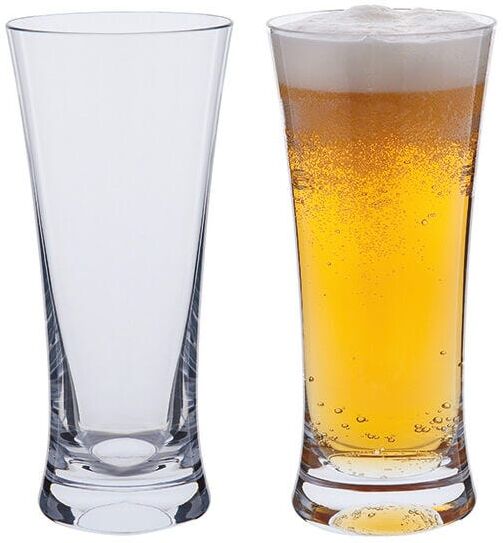
Dartington Bar Excellence Set Of 2 Beer GlassesElevate your beer-drinking experience with this exquisite set of two Dartington Bar Excellence Beer Glasses. Crafted with precision in Britain, these handmade crystal glasses stand at an elegant 182mm height and boast a generous 440ml capacity, ideal for savoring your preferred lagers, ales, and ciders. Whether it's a special occasion or a casual gathering, these glasses are designed to enhance the flavors and aromas of your chilled beverages. Indulge in the perfect combination of style and functionality with these exceptional beer glasses.50,00 £*Shipping: 0,00 £Secure redirect to the provider
-
Retailers Go Honeycomb Glass Bowl, Transparent, Handmade, Unique Craftsmanship, Perfect For Your Smoking Collection Honeycomb Glass Bowl, Transparent, Handmade, Unique Craftsmanship, Perfect For Your Smoking CollectionIntroducing the 14mm(0.5512 inches)approx Transparent Handmade Glass Bowl, a beautifully crafted piece that combines stunning aesthetics with unmatched functionality. Perfect for any smoking enthusiast, this unique honeycomb glass bowl is designed...66,97 $*Shipping: 0,00 $Secure redirect to the provider
-
What are microorganisms?
Microorganisms are tiny living organisms that are too small to be seen with the naked eye. They include bacteria, viruses, fungi, and protists. Microorganisms can be found in almost every environment on Earth, including soil, water, and the human body. While some microorganisms can cause disease, many are beneficial and play important roles in processes such as decomposition, nutrient cycling, and food production. **
-
How do microorganisms reproduce?
Microorganisms reproduce through a process called binary fission, where a single cell divides into two identical daughter cells. This process allows microorganisms to rapidly increase in number. Some microorganisms, like bacteria, can also reproduce through conjugation, where genetic material is exchanged between two cells. Overall, microorganisms have various methods of reproduction that allow them to adapt and thrive in different environments. **
-
Can microorganisms pass through materials?
Yes, microorganisms can pass through materials depending on their size and the porosity of the material. Some microorganisms are small enough to pass through tiny openings in materials like fabrics, filters, or even some types of plastics. This is why it is important to use materials that are specifically designed to block the passage of microorganisms in certain applications, such as in medical settings or food processing. **
-
Why do microorganisms spoil food?
Microorganisms spoil food because they use the nutrients in the food as a source of energy and growth. Bacteria, molds, and yeasts are the main culprits of food spoilage, and they thrive in the right conditions of moisture, warmth, and pH levels. As they grow and reproduce, they produce enzymes and waste products that break down the food's proteins, fats, and carbohydrates, leading to changes in texture, color, flavor, and odor. This ultimately makes the food unpalatable and unsafe to eat. **
Similar search terms for - Microorganisms
-
Pureology Smooth Perfection Conditioner 266mlTame frizz and restore hair manageability with the incredible Smooth Perfection Conditioner. Specially formulated, this vegan Pureology hair-care hero powerfully nourishes and hydrates every strand for beautifully soft results. Ideal for frizz-prone colour-treated hair. Ingredients Aqua / Water / Eaucetearyl Alcoholglycerinbehentrimonium Chloridecetyl Estersisopropyl Myristatequaternium-80propylene Glycolparfum / Fragrancepolysorbate 20isopropyl Alcoholphenoxyethanolpolyquaternium-37propylene Glycol Dicaprylate/Dicapratetocopherolsesamum Indicum Seed Oil / Sesame Seed Oilbutyrospermum Parkii Butter / Shea Buttercamellia Oleifera Seed Oilbutylene Glycoldilauryl Thiodipropionatehelianthus Annuus Seed Extract / Sunflower Seed Extractppg-1 Trideceth-6hydrolyzed Vegetable Protein Pg-Propyl Silanetriolcitric Acid Pelargonium Graveolens Flower Oilascorbic Acidbenzophenone-4sorbitan Oleatepotassium Sorbate.24,40 £*Shipping: 0,00 £Secure redirect to the provider
-
Sagebrook Home Hennie Black & White Glass Vase CraftsmanshipElevate your space with the essence of elegance through Sagebrook Home's exquisite glass vase. Expertly crafted from the finest materials, this delicate piece is a testament to timeless beauty, poised to enhance any bouquet.79,99 $*Shipping: 0,00 $Secure redirect to the provider
-
Pureology Smooth Perfection Conditioner 266ml DoubleStock up and save on your favourite Pureology conditioner with this great-value set, containing: 2 x Smooth Perfection Conditioner 266ml The Smooth Perfection Conditioner works to tame frizz and restore hair manageability. Specially formulated, this vegan Pureology hair-care hero powerfully nourishes and hydrates every strand for beautifully soft locks. Ideal for frizz-prone colour-treated hair. Ingredients - new & improved formula Aqua / Water / Eaucetearyl Alcoholglycerinbehentrimonium Chloridecetyl Estersisopropyl Myristatequaternium-80propylene Glycolparfum / Fragrancepolysorbate 20isopropyl Alcoholphenoxyethanolpolyquaternium-37propylene Glycol Dicaprylate/Dicapratetocopherolsesamum Indicum Seed Oil / Sesame Seed Oilbutyrospermum Parkii Butter / Shea Buttercamellia Oleifera Seed Oilbutylene Glycoldilauryl Thiodipropionatehelianthus Annuus Seed Extract / Sunflower Seed Extractppg-1 Trideceth-6hydrolyzed Vegetable Protein Pg-Propyl Silanetriolcitric Acid Pelargonium Graveolens Flower Oilascorbic Acidbenzophenone-4sorbitan Oleatepotassium Sorbate.45,75 £*Shipping: 0,00 £Secure redirect to the provider
-
HARPERCOLLINS Creative Confidence by Tom & David Kelley – Unleashing Your Creative Potential & Innovation MindsetA powerful and inspiring book from the founders of IDEO, the award-winning design firm, on unleashing the creativity that lies within each and every one of us. Too often, companies and individuals assume that creativity and innovation are the domain of the ‘creative types’. But two of the foremost experts in innovation, design and creativity on the planet show us that each and every one of us is creative. In an entertaining and inspiring narrative that draws on countless stories from their work at IDEO, and with many of the world's top companies and design firms, David and Tom Kelley identify the principles and strategies that will allow us to tap into our creative potential in our work lives, and in our personal lives, allow us to think outside the box in terms of how we approach and solve problems. ‘Creative Confidence’ is a book that will help each of us be more productive and successful in our lives and in our careers.4,95 £*Shipping: 1,99 £Secure redirect to the provider
-
Do microorganisms die in acid?
Yes, many microorganisms can die in acidic conditions. Acidic environments can disrupt the cell membranes and denature the proteins of microorganisms, leading to their death. However, some microorganisms, suchjson as acidophilic bacteria, are able to survive and even thrive in acidic conditions. These acidophilic microorganisms have evolved mechanisms to maintain their internal pH and protect their cellular structures from the damaging effects of acidity. **
-
What are the smallest microorganisms?
The smallest microorganisms are bacteria and archaea. These single-celled organisms are so tiny that they can only be seen under a microscope. Some bacteria and archaea are as small as 0.2 micrometers in diameter, making them the smallest known living organisms. Despite their small size, bacteria and archaea play crucial roles in various ecosystems and are essential for many biochemical processes. **
-
What do microorganisms need to reproduce?
Microorganisms need a suitable environment with the right temperature, pH level, and nutrients to reproduce. They also require moisture and oxygen to carry out their metabolic processes and grow. Additionally, some microorganisms may need specific conditions such as light or darkness to reproduce successfully. Overall, providing the necessary environmental conditions is crucial for the reproduction of microorganisms. **
-
What types of microorganisms could arise?
Various types of microorganisms could arise, including bacteria, viruses, fungi, and protists. These microorganisms could be pathogenic, causing diseases in humans, animals, or plants, or they could be beneficial, such as those involved in nutrient cycling, decomposition, or symbiotic relationships. The specific types of microorganisms that arise would depend on the environmental conditions, available resources, and interactions with other organisms. Additionally, genetic mutations and horizontal gene transfer could contribute to the emergence of new microorganism variants. **
* All prices are inclusive of VAT and, if applicable, plus shipping costs. The offer information is based on the details provided by the respective shop and is updated through automated processes. Real-time updates do not occur, so deviations can occur in individual cases. ** Note: Parts of this content were created by AI.